News & Politics · July 1, 2026
Supreme Court Upholds State Laws Barring Biological Males from Girls' Sports: What Christians Should Know
Landmark Supreme Court ruling on state laws limiting sports participation by biological sex raises questions about fairness, dignity, and equal opportunity.
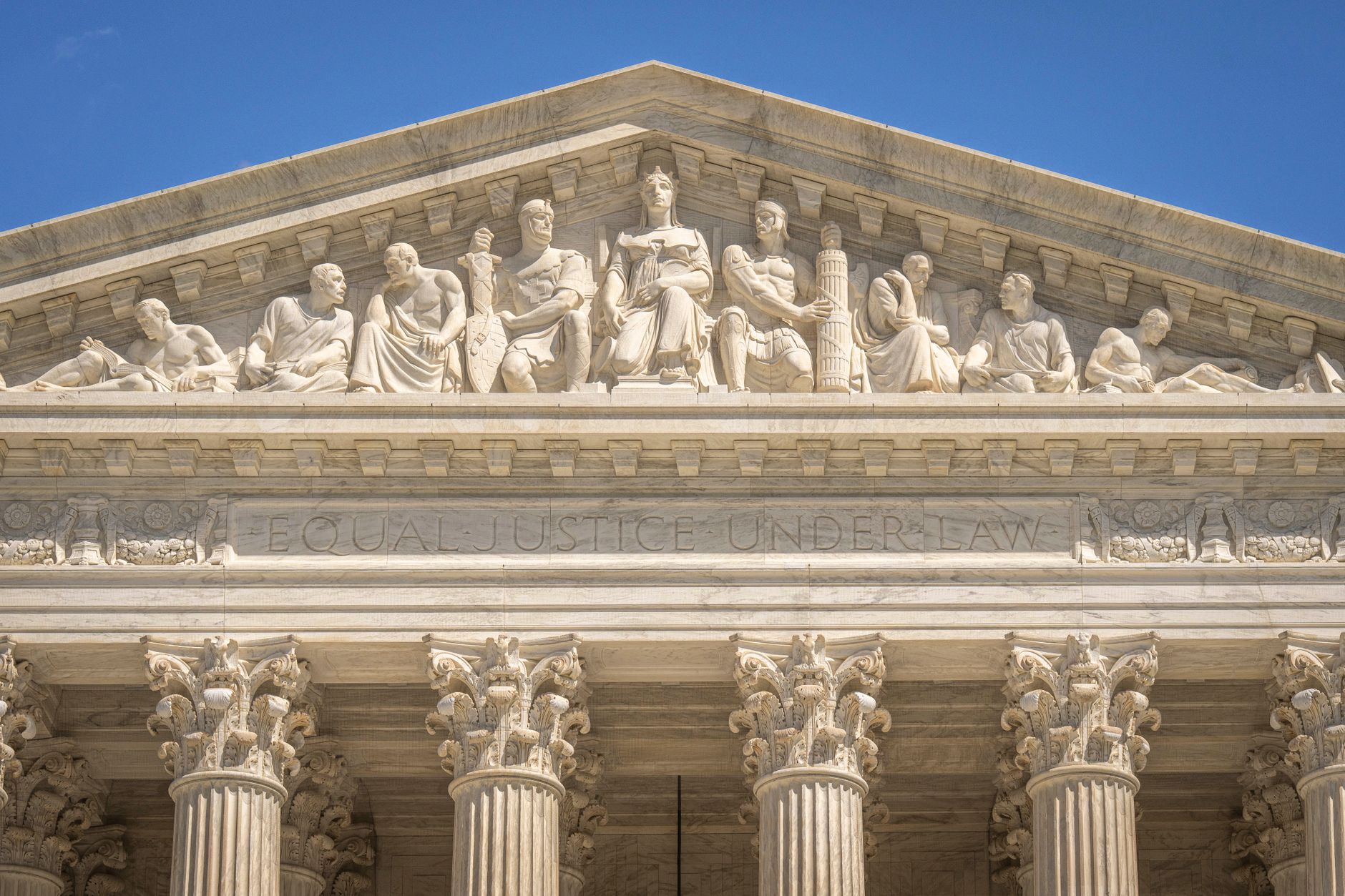
The Supreme Court of the United States has issued a significant ruling on the future of women's athletics. In a decision handed down on July 1, 2026, the Court upheld state laws that bar biological males from competing on female sports teams. The ruling marks the highest court's most direct statement yet on how schools and athletic organizations should handle the question of transgender participation in school sports. For Christians who care about both the dignity of all people and the integrity of women's sports, the decision lands in the middle of real tension, not easy answers.
What Is Happening With This Supreme Court Ruling?
According to Crosswalk.com, the U.S. Supreme Court upheld state laws barring biological males from competing on female sports teams, capping years of legal and political battles over fairness in women's athletics and transgender identity. In a 6-3 decision, the Court upheld as constitutional laws in Idaho and West Virginia that bar biological males from competing on female athletic teams in public K-12 schools and colleges and universities, allowing the laws to remain in force.
According to SCOTUSblog, the Court ruled 6-3 that schools may determine eligibility for women's and girls' sports teams on the basis of biological sex. Justice Brett Kavanaugh wrote the majority opinion, concluding that Title IX allows schools to provide separate women's and men's teams defined by biological sex. Chief Justice John Roberts and Justices Samuel Alito, Clarence Thomas, Neil Gorsuch and Amy Coney Barrett filed concurring opinions. Justice Sonia Sotomayor, joined by Justices Elena Kagan and Ketanji Brown Jackson, concurred in the judgment in part and dissented in part, warning that the majority had taken what she described as a misguided approach to equal protection law.
Civic & Faith Impact
We examine the direct effects on ministries, education, and public life to aid community discernment.
Families & Daily Life
Parents of school-age athletes may need to understand how their state's law affects team placement, competitive eligibility, and access to facilities. For families with daughters who compete in sports, the ruling affirms that schools must maintain female-only teams without males, regardless of gender identity claims. For families with transgender children, the ruling creates real barriers to participating on teams matching their gender identity, raising questions about inclusion and belonging.
Churches & Ministries
Churches that run youth sports leagues or sponsor athletic programs may need to review their policies. The ruling does not directly regulate church ministries, but it sets a legal context that many Christian organizations look to for guidance. Pastors and ministry leaders may face questions from families in their congregation seeking pastoral counsel on how to navigate the ruling with grace and truth.
Schools & Workplaces
Public schools and colleges receiving federal funding must navigate this ruling alongside existing Title IX obligations. The decision gives states more authority to define sex categories for athletic competition. Athletic conferences and the NCAA may face pressure to align their policies with state laws, potentially affecting scholarship eligibility and professional pathways.
How Different Sides Are Framing This
Supporters of the ruling argue that separate sports categories for males and females exist because of well-documented physiological differences. They say allowing biological males into female competitions undermines decades of progress on women's athletics, pointing to records, scholarships, and team slots that females have earned and deserve to protect. Christian advocates for the ruling often frame it as an issue of bodily truth and fairness, arguing that God created male and female bodies with real differences and that athletic categories reflect that reality rather than denying the dignity of any person. They say the ruling honors women who have fought for equal access to sports.
Critics of the ruling argue that blanket bans ignore the reality that not all biological males have the same athletic advantages, and that many transgender athletes have competed for years without dominating their fields. They say the ruling treats transgender people with dignity neither in the text nor in the spirit of the law, reducing complex identities to a single document. Critics also argue the ruling will cause psychological harm to young athletes who already face high rates of depression and exclusion. Many of these critics come from faith traditions that affirm transgender identities, though others simply see the policy as overly broad.
How Might Christians Think Faithfully About This?
Christians approaching this decision face a genuine tension between two real goods. On one side lies the biblical emphasis on truthfulness and the created order, the recognition that bodies are not fluid constructs but real things with real differences. On the other side lies the biblical emphasis on welcoming the stranger, caring for the marginalized, and refusing to humiliate those who are different. The Bible does not give a verse-by-verse answer to modern athletic policy, but it gives a pattern of virtues: humility, honesty, justice, and compassion in the same breath.
Many thoughtful Christians hold this tension without resolving it neatly. They reject both the impulse to deny biological reality and the impulse to treat transgender people as less than neighbors. They recognize that public policy cannot honor every subjective claim while also protecting the rights of categories created for historically oppressed groups. At the same time, they grieve that any young person experiences exclusion. Prayer and careful listening to those most affected seem like wiser responses than political certainty.
What's at Stake and How to Respond
What is at stake here is not simply athletic fairness, though that matters. What is at stake is how a society holds together the claims of truth and dignity without crushing either one. For Christians, the question is whether our witness in this debate reflects the patience and humility of the gospel, or whether we have allowed political camps to set our moral imagination. Consider praying for athletes affected by this ruling, for coaches navigating difficult conversations, and for wisdom for school boards and legislators wrestling with these questions. Read the full ruling and understand what your own state law says before forming strong opinions. And listen generously to believers who land differently than you on these questions, recognizing that sincere Christians are working from the same Scripture toward different conclusions.
Analysis and insights reflect the perspective of the CF News & Politics Team and are intended to aid personal civic discernment and prayer.
Sources: ibelieve.com, christianity.com, oneplace.com, Original Discovery Source, SCOTUSblog
Want to study this more deeply with others? OpenBibleLab is our community for going further.